Flower and botanical posters: the guide to a natural wall
Vintage bouquet or botanical plate: 2 ways to bring nature to your wall, and how to combine them.

Key points
- 58 posters in the Flower posters collection, the 20 from this article in the table below.
- From 159,00 kr in A4, up to 556,00 kr in A0, 5 sizes for each poster.
- Printed in Denmark on demand, free delivery from €59.
The table
The 20 posters at a glance




Flowers and botanicals: 2 neighboring but distinct moods
A flower poster showcases a bouquet, often in a painted, colorful style. A botanical poster is closer to a scientific illustration plate, with a more graphic drawing, sometimes in a single color.


Where a flower poster belongs
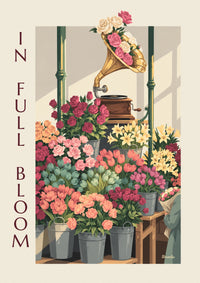
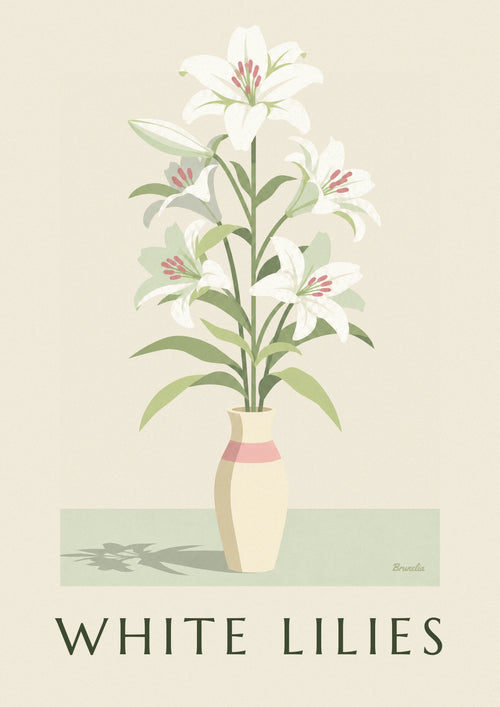
A bouquet, like the white lilies standing tall in a large vase, suits a bedroom or living room where you want a soft, romantic mood.

Botanical illustration, a more graphic style
A botanical plate, like the foxglove and herbaceous plants shown with their roots, or foliage and seeds, fits more easily into an office or a living room with clean lines: it brings in nature without overloading the room. Our leaves and seeds poster draws on this study-plate aesthetic.

Combining several posters into a botanical wall
To create a wall with several flower and botanical posters, using the same type of frame helps unify the whole, even if the subjects and colors vary from one poster to the next. A3 suits most walls for a single poster; for a composition of several posters, A4 makes it easier to align them in a grid.

Fruits and vegetables, a separate branch of botany
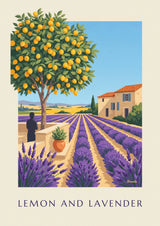
Beyond the herbaceous plants and foliage mentioned above, some botanical posters focus on fruits and vegetables from the kitchen garden: the poster of the fig tree laden with purple figs in a stone courtyard features the fig, the botanical plate of the strawberry plant with its flowers and roots features the strawberry, and the plate of the ripe tomato plant, in landscape format, adds a vegetable. The lemon has a botanical register of its own, see our lemon posters guide.
Mushrooms, yet another kind of plate
The plate of woodland mushrooms and the naturalist’s table with porcini, chanterelles and fly agaric change the subject entirely: the mushroom rather than the flower or the fruit, for a more offbeat plate.
Herbs and medicinal plants
The plate of flowering thyme and rosemary, the one of common valerian and the herbarium of dried lavender and daisies feature useful rather than decorative plants, in the same scientific-plate spirit as the herbaceous plants mentioned earlier.
Flowers and insects, a naturalist duo
The naturalist plate of wildflowers and insects, in landscape format, adds a blue butterfly to the floral composition, an angle distinct from the bouquets and plant plates already presented.
Vary the subjects rather than repeating flowers
For a botanical wall that doesn’t show a flower 3 times, combining a fruit or vegetable plate, a mushroom plate and a classic flower gives more variety than a series of similar bouquets.

Build this wall
3 posters from this article, at true scale


All 3 posters: 794,00 kr
Frequently asked questions
You often ask us
What is the difference between a flower poster and a botanical poster?
A flower poster showcases a bouquet, often painted and colorful. A botanical poster is closer to a scientific illustration plate, with a more graphic drawing.
Can you mix the 2 styles on the same wall?
Yes, by using the same type of frame to unify the whole despite different subjects and colors.
Keep exploring